Rubber Hoses
EPDM, NBR and silicone hoses for cooling, fuel and air-transfer circuits.
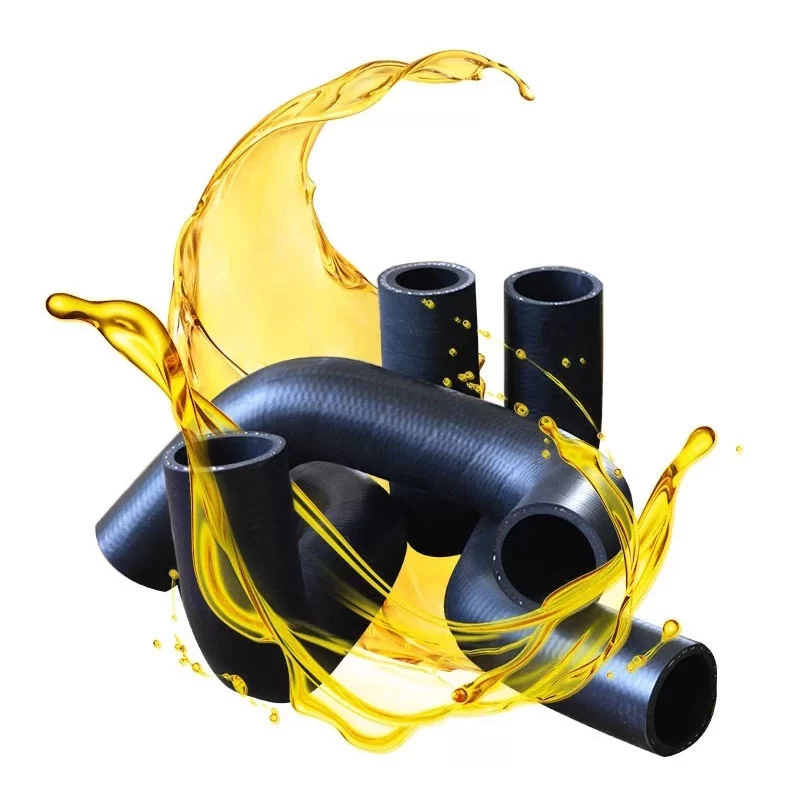
Rubber Hoses Products
13 products in this category.
NBR Nitrile Rubber Hose and
HY-RH-603
Nitrile butadiene (NBR/Buna-N) rubber hose for oil and fuel transfer circuits. The compound's oil resistance is the reason to choose it over EPDM, and reinforcement plus inner diameter are confirmed per application.
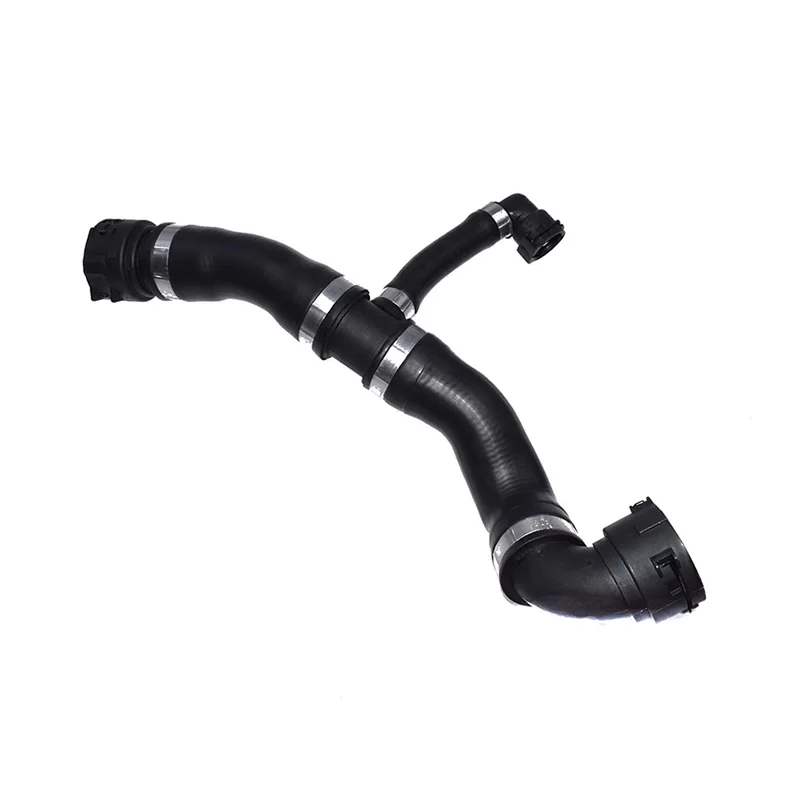
EPDM Upper Radiator Hose 17127525023 BMW Parts
17127525023
BMW upper radiator hose matched to OE 17127525023 in high-grade EPDM for coolant service. EPDM's water-and-glycol resistance is what suits it to the radiator circuit, with diameter and elbow geometry confirmed against the OE number.
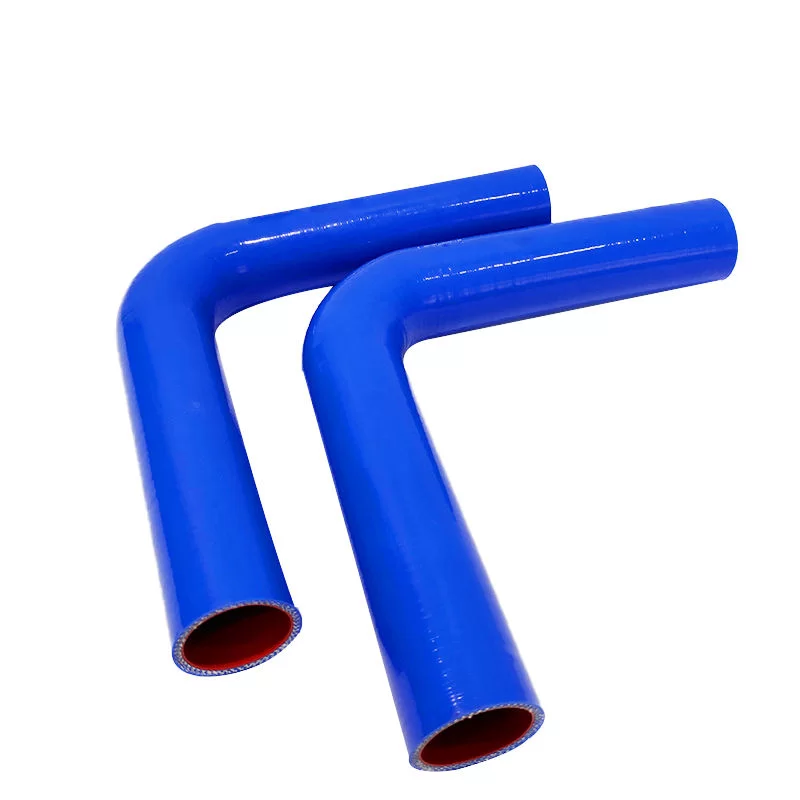
Reinforced Silicone Turbo Heater Hose
HY-RH-638
Reinforced silicone turbo and heater hose in Premium Silicone. Silicone holds its shape at higher heat than EPDM, and the reinforcement lets it hold pressure and vacuum without collapsing — compound, reinforcement and bore are confirmed per application.
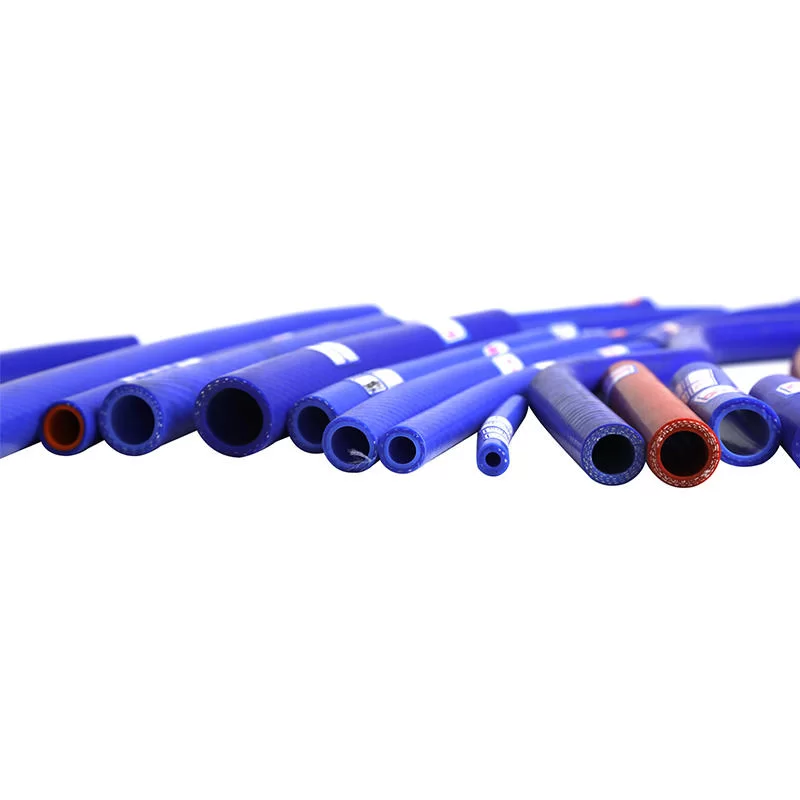
Braided Silicone Heater Vacuum Hose
HY-RH-639
Braided silicone heater and vacuum hose, available in Silicone, EPDM and NBR. The braided reinforcement resists collapse under vacuum, which is what a heater or vacuum line needs; compound and inner diameter are confirmed per circuit.
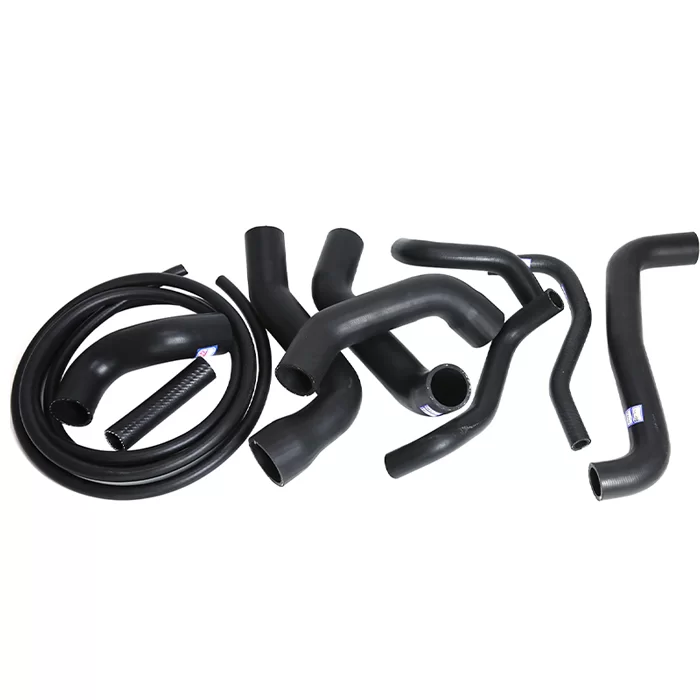
EPDM Rubber Elbow Hose and
HY-RH-640
EPDM rubber elbow hose in premium EPDM for coolant and air circuits. EPDM resists water, glycol and heat ageing, and the elbow form is supplied to the bend angle the circuit requires — compound, reinforcement and bore are confirmed per application.
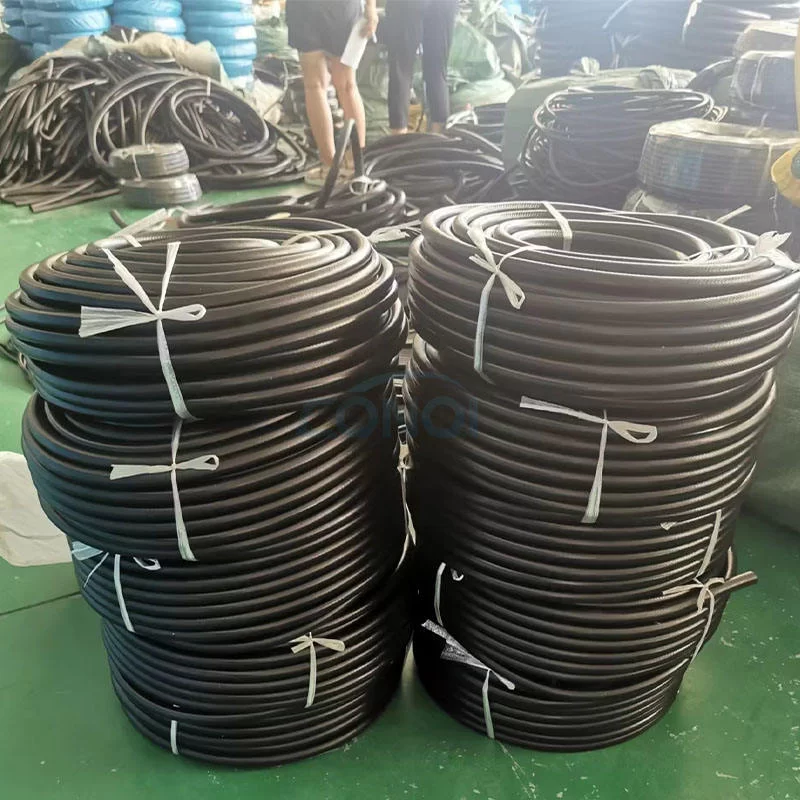
Oil Resistant NBR Automotive Fuel Hose and
HY-RH-641
Oil-resistant NBR automotive fuel hose, available in NBR, Silicone and EPDM. NBR's oil and fuel resistance is what makes it the fuel-line choice, with reinforcement and inner diameter confirmed per application.
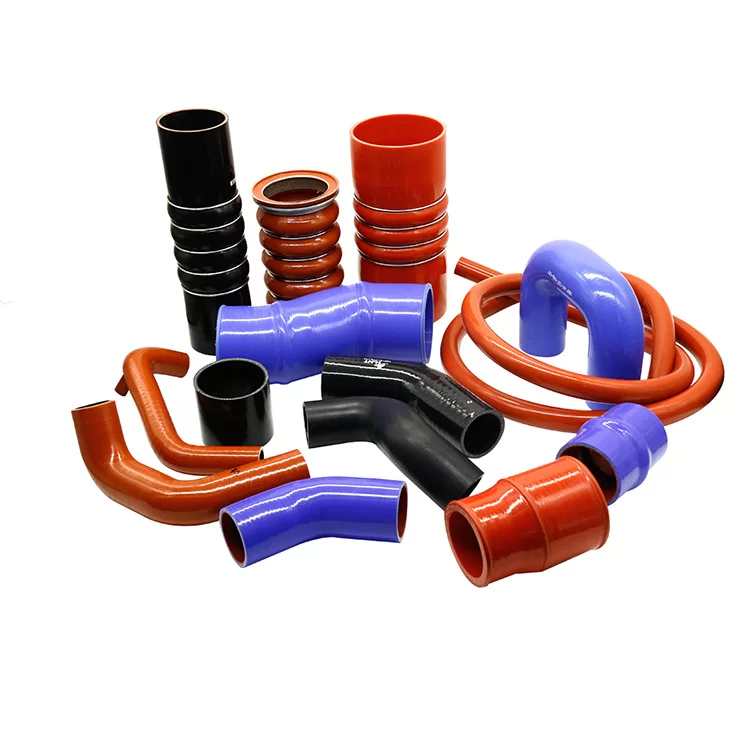
High Temperature Radiator Silicone Hose in
HY-RH-642
High-temperature radiator silicone hose in Premium Silicone Rubber. Silicone tolerates the heat cycling of a radiator circuit better than EPDM, and the hose is supplied straight, as 45°/90° elbows or a 180° U-bend to match the layout.
Black Hydraulic Oil Fuel Hose High Pressure Fuel Line N
HY-RH-643
Black hydraulic, oil and fuel hose for high-pressure fuel line duty. Compound, reinforcement and inner diameter are confirmed per application, because a hose that hardens or swells under oil is a premature-failure risk on the end vehicle.
High Temp Radiator Hose Auto Elbow Silicone Hose Pipe c
HY-RH-644
High-temperature radiator hose in auto-elbow silicone for car cooling circuits. The silicone compound holds up to the heat of the cooling loop, and the elbow geometry is supplied to the routing the vehicle requires.
Oil Resistant NBR Automotive Fuel Hose
HY-RH-645
Oil-resistant NBR automotive fuel hose. NBR's resistance to oil and fuel is the reason it is the fuel-line compound, and reinforcement plus inner diameter are confirmed against the application before quoting.
Auto Black Elbow EPDM Rubber Hose Pipe Coolant Elbow Ra
HY-RH-646
Auto black elbow EPDM rubber hose for coolant elbow and radiator pipe circuits. EPDM's glycol resistance suits the coolant loop, and the elbow bend is matched to the engine bay routing per application.
Heat Resistant Braided Silicone Heater & Vacuum Hose
HY-RH-647
Heat-resistant braided silicone heater and vacuum hose. The silicone compound tolerates under-bonnet heat and the braid resists vacuum collapse, which together make it the heater-line and vacuum-line choice.
Reinforced Silicone Turbo & Heater Hose (90 Degree)
HY-RH-648
Reinforced silicone turbo and heater hose in a 90-degree elbow form. The reinforcement holds pressure and vacuum, silicone holds heat, and the 90° bend matches the turbo-to-intercooler or heater routing per application.
Buyer's guide: sourcing rubber hosess
Rubber hoses are chosen by compound, reinforcement and inner diameter, and the wrong compound is the most common failure. EPDM suits coolant and radiator circuits, NBR (nitrile) resists oil and fuel, and silicone handles higher heat — so the first sourcing question is which fluid and temperature the hose will carry.
For importers and private-label programs, ask about the reinforcement (fabric or braided) and the dimensional tolerance on the inner diameter, because a hose that swells, hardens or collapses under heat or oil is a premature-failure risk that ends up on the end customer.
Our advice to buyers is to specify the compound, the working temperature and the inner diameter up front, and to treat material consistency across a batch as the main quality signal — not the price.
- Coolant circuits: EPDM for water/glycol resistance.
- Fuel / oil circuits: NBR for oil and fuel resistance.
- High-heat circuits: silicone with reinforcement for turbo, heater and vacuum lines.
What you should know about rubber hosess
EPDM, NBR and silicone each serve a different circuit. EPDM is the standard for coolant because it resists water and glycol; NBR resists oil and fuel and is used for fuel lines and oil-transfer hoses; silicone tolerates higher temperatures and is used for turbo, heater and vacuum lines where heat resistance matters.
Reinforcement is what lets a hose hold pressure and vacuum without collapsing. A braided or fabric-reinforced hose keeps its shape under vacuum and at temperature, while an unreinforced hose is only suitable for low-pressure gravity flow.
Vehicle Fitment & Brand Association
Rubber hoses are matched by circuit (coolant, fuel, air), compound and inner diameter. The references below are common application examples; the exact hose is confirmed per application.
| Brand | Region | Common model applications | Filter note |
|---|---|---|---|
| Toyota | Japan | Rubber hoses (EPDM/NBR/silicone) are matched by circuit and diameter; these are reference vehicle examples only. | |
| Honda | Japan | Rubber hoses (EPDM/NBR/silicone) are matched by circuit and diameter; these are reference vehicle examples only. | |
| Volkswagen | Germany | Rubber hoses (EPDM/NBR/silicone) are matched by circuit and diameter; these are reference vehicle examples only. | |
| BMW | Germany | Rubber hoses (EPDM/NBR/silicone) are matched by circuit and diameter; these are reference vehicle examples only. | |
| Mercedes-Benz | Germany | Rubber hoses (EPDM/NBR/silicone) are matched by circuit and diameter; these are reference vehicle examples only. | |
| Ford | USA | Rubber hoses (EPDM/NBR/silicone) are matched by circuit and diameter; these are reference vehicle examples only. | |
| Hyundai | South Korea | Rubber hoses (EPDM/NBR/silicone) are matched by circuit and diameter; these are reference vehicle examples only. | |
| Nissan | Japan | Rubber hoses (EPDM/NBR/silicone) are matched by circuit and diameter; these are reference vehicle examples only. | |
| Geely | China | Rubber hoses (EPDM/NBR/silicone) are matched by circuit and diameter; these are reference vehicle examples only. | |
| Great Wall | China | Rubber hoses (EPDM/NBR/silicone) are matched by circuit and diameter; these are reference vehicle examples only. |
Common applications include the models listed below; these are reference-level examples only and do not constitute a precise fitment claim. Always confirm the exact part against your OE number, cross-reference number or our fitment table before ordering.
Frequently Asked Questions
What is the difference between EPDM, NBR and silicone hose?
EPDM resists water and coolant and is the standard radiator choice; NBR resists oil and fuel; silicone handles higher heat. The right compound depends on the fluid and working temperature, so we confirm the application before quoting.
Do you make custom-sized radiator or turbo hoses?
Yes — our hose range includes custom EPDM elbow, NBR and reinforced silicone hoses in a range of inner diameters, and we match the compound, reinforcement and dimensions to your application.
Which hose fits the BMW 17127525023 upper radiator application?
The BMW 17127525023 upper radiator hose is a common application in our range, supplied in EPDM for coolant service. We confirm the diameter and any elbow geometry per the OE number before quoting.
How can I tell a hose needs replacing?
Swelling, hardening, cracks, soft spots or leaks at the clamp are the usual signs. Coolant hoses are typically inspected at every service and replaced on a time or mileage schedule rather than waiting for failure.
Looking for a specific filter?
Tell us your OE number or vehicle application and we will match the right part.
Request a Quote