Spark Plugs
Ignition spark plugs for gasoline engines, matched by OE and engine application.
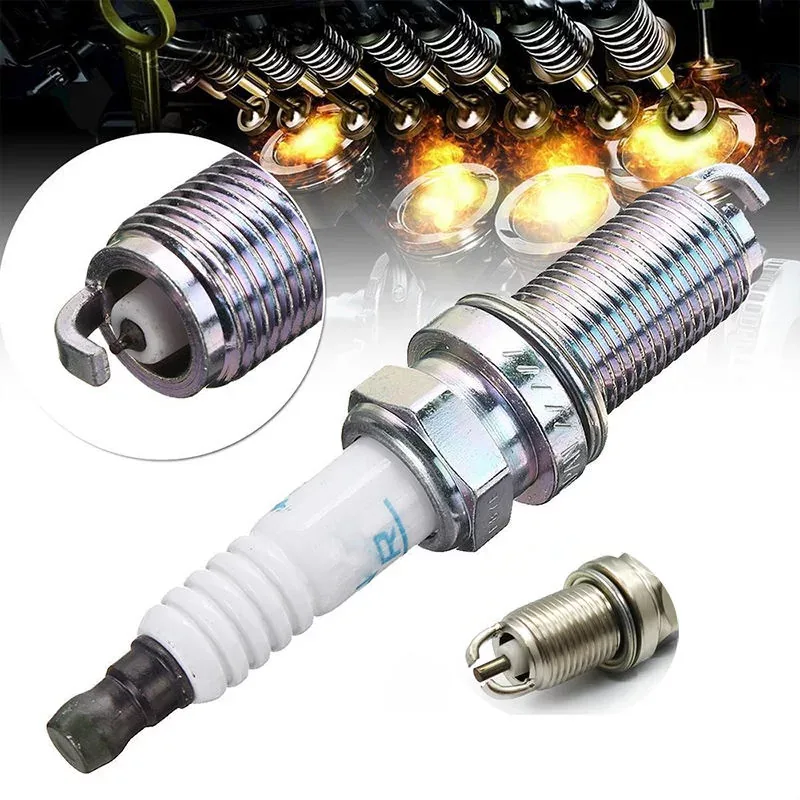
Buyer's guide: sourcing spark plugss
Spark plugs are selected by heat range, thread reach and electrode material, not by a single generic part number. A plug with the wrong heat range will either foul at low load or overheat at high load, so the sourcing decision should be driven by the exact engine application rather than by appearance or price.
For importers and private-label programs, the useful checks are the centre-electrode material (nickel, platinum or iridium), the thread size and reach, and the factory-set gap. Iridium plugs cost more up front but last far longer and are now the mainstream OEM choice, which makes them the natural premium line.
Our advice to buyers is to quote the OE or engine code and match the heat range and electrode spec per model, then position iridium as the premium line and nickel as the price-sensitive option.
- Premium / long-life: iridium electrodes for consistent spark and extended intervals.
- Match heat range and thread reach by engine code to avoid pre-ignition or fouling.
- Keep a nickel line for price-sensitive demand and an iridium line for the service market.
What you should know about spark plugss
Electrode material drives both cost and service life. Nickel is the budget option with the shortest life; platinum is a mid-tier step up; iridium offers the longest life and most consistent spark, which is why it is the factory fit on most modern engines.
The heat range describes how quickly a plug dissipates heat from the firing tip. A too-hot plug can cause pre-ignition and engine damage, while a too-cold plug fouls with carbon deposits — which is why matching the heat range to the engine is the first correctness check.
Vehicle Fitment & Brand Association
Spark plugs are matched by engine code, heat range and thread reach. The references below are common application examples; the exact plug is confirmed per engine.
| Brand | Region | Common model applications | Filter note |
|---|---|---|---|
| Toyota | Japan | Spark plugs are matched by engine code; these are reference vehicle examples only. | |
| Honda | Japan | Spark plugs are matched by engine code; these are reference vehicle examples only. | |
| Volkswagen | Germany | Spark plugs are matched by engine code; these are reference vehicle examples only. | |
| BMW | Germany | Spark plugs are matched by engine code; these are reference vehicle examples only. | |
| Mercedes-Benz | Germany | Spark plugs are matched by engine code; these are reference vehicle examples only. | |
| Ford | USA | Spark plugs are matched by engine code; these are reference vehicle examples only. | |
| Hyundai | South Korea | Spark plugs are matched by engine code; these are reference vehicle examples only. | |
| Nissan | Japan | Spark plugs are matched by engine code; these are reference vehicle examples only. | |
| Geely | China | Spark plugs are matched by engine code; these are reference vehicle examples only. | |
| Great Wall | China | Spark plugs are matched by engine code; these are reference vehicle examples only. |
Common applications include the models listed below; these are reference-level examples only and do not constitute a precise fitment claim. Always confirm the exact part against your OE number, cross-reference number or our fitment table before ordering.
Frequently Asked Questions
Which spark plugs fit a Toyota or Honda gasoline engine?
Toyota and Honda gasoline engines are common applications in our spark-plug range. The exact plug is matched by OE number and engine code, and we confirm the heat range, thread reach and electrode material per model.
What is the difference between iridium and platinum spark plugs?
Iridium plugs have a finer, harder electrode that lasts longer and produces a more consistent spark than platinum, which is why they are the mainstream OEM choice. Platinum is a good mid-tier alternative; nickel is the budget option.
How often should spark plugs be replaced?
The interval depends on the electrode material — roughly 30,000 km for nickel, 60,000 km for platinum and up to 100,000 km or more for iridium — but always follow the engine manufacturer schedule first.
Can I gap the spark plugs myself?
We recommend using the factory-set gap for iridium and platinum plugs. Confirm the correct gap for the application and avoid re-gapping fine-wire iridium electrodes, which are easily damaged.
Looking for a specific filter?
Tell us your OE number or vehicle application and we will match the right part.
Request a Quote